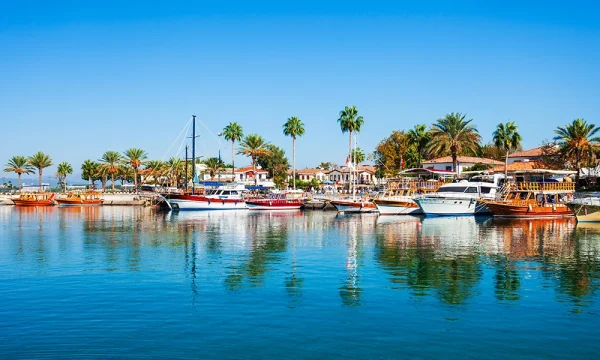
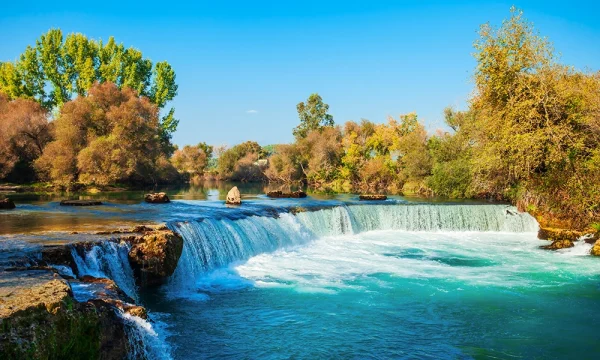
Demre is a popular Mediterranean destination located approximately 2.5 hours from Antalya city centre. With a history dating back to the 5th century BC, the district is famous for its historical treasures, untouched nature, and clear waters. It was a key port during the Lycian period and is globally recognised as the home of Saint Nicholas, also known as Santa Claus.
Visitors can enjoy fresh seafood and local appetisers at seaside restaurants or join boat and diving tours to explore the coast.
1. St. Nicholas Church
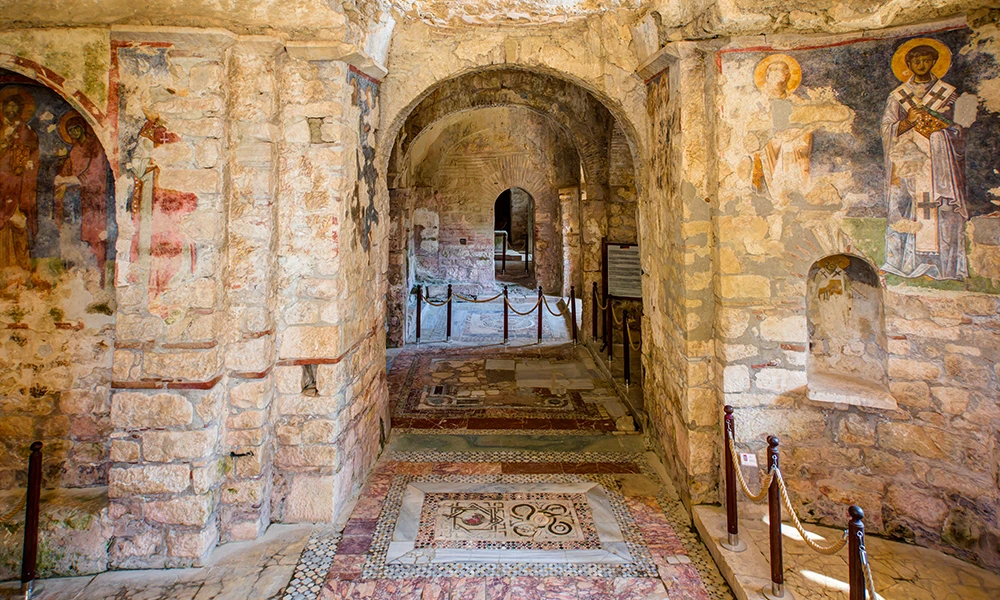
St. Nicholas Church is one of the most visited sites in Demre, dedicated to the 4th-century bishop known as Saint Nicholas or Santa Claus. The church served as an important pilgrimage site for Christians and remains a major tourist attraction today. Saint Nicholas was famous for his generosity, which eventually led to the global Santa Claus legend.
The current stone and brick structure features three naves and was restored by the Byzantines in the 11th century. Notable architectural details include impressive floor mosaics and a frescoed apse. Visitors can attend year-round events at the church or find Santa-themed souvenirs in the town centre.
2. Kekova Island
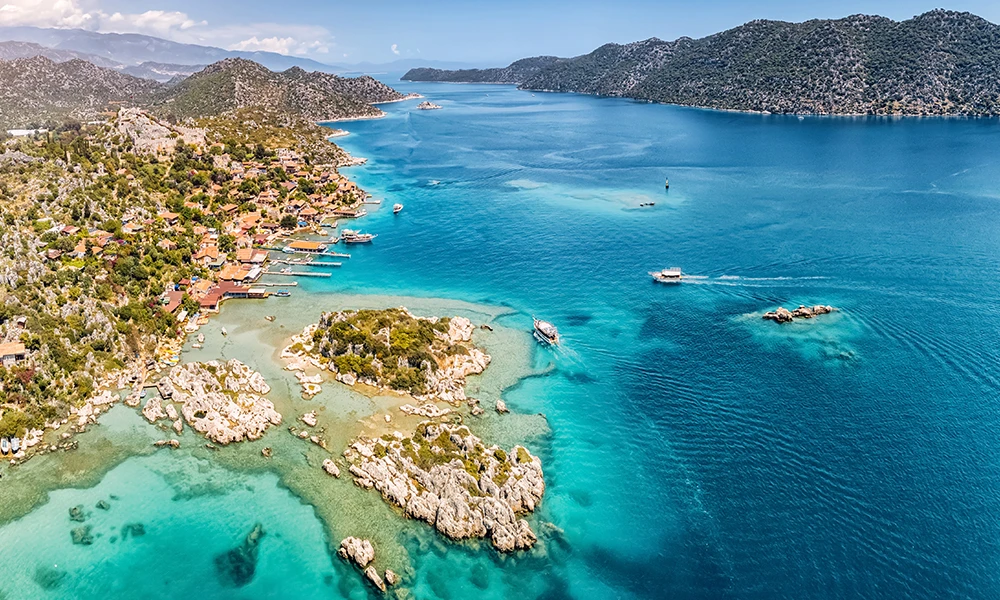
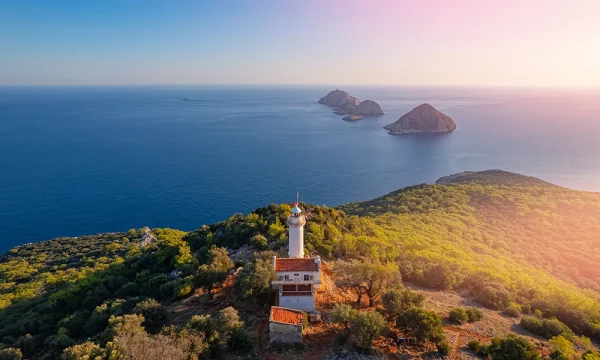
Kekova Island is located off the coast of Demre and is famous for its “Sunken City,” where part of the ancient Lycian settlement is now underwater. The island was inhabited since the Lycian period and contains remains of a theatre, agoras, necropolises, and churches. A major earthquake in the 2nd century AD caused portions of the city to sink into the sea.
Kekova is a premier destination for boat tours and diving, where visitors can swim among ancient structures and take photos. The small bays surrounding the island offer ideal spots for swimming and sunbathing. For panoramic views of the Mediterranean at sunset, visitors can climb to the island’s highest point, Teke Mountain.
3. Myra Ancient City
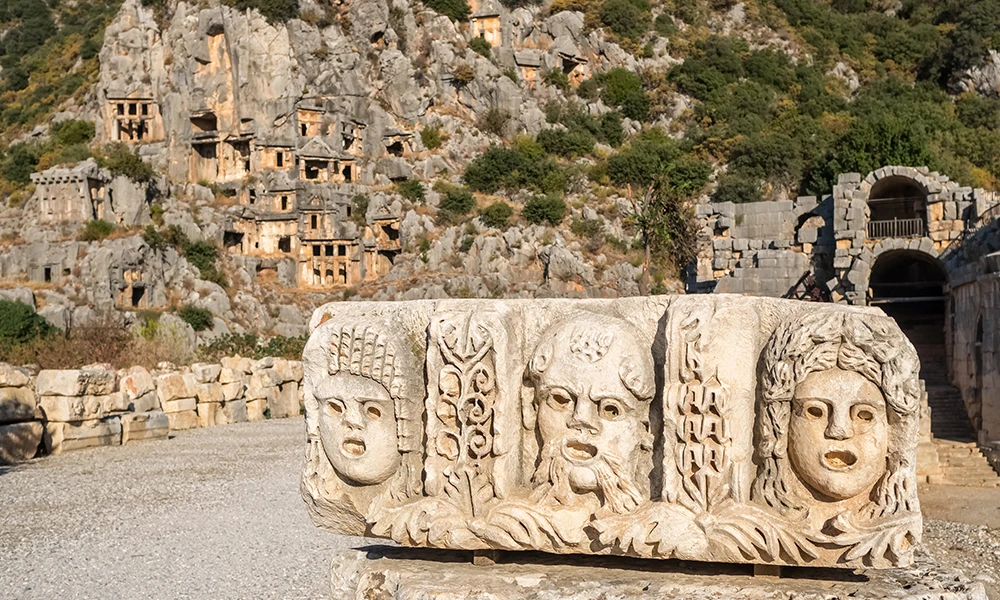
Myra was a leading city of the Lycian civilisation and served as the capital for a long period. Established in the 5th century BC, it remained significant during the Roman and Byzantine eras. Today, the site attracts visitors for its archaeological excavations and its historical connection to Saint Nicholas.
The most visited features of the city include the elaborate rock-cut tombs decorated with various figures. The site also contains a well-preserved Roman theatre with a 13,000-person capacity and the remains of a 1st-century Roman bath.
4. Andriake Ancient City
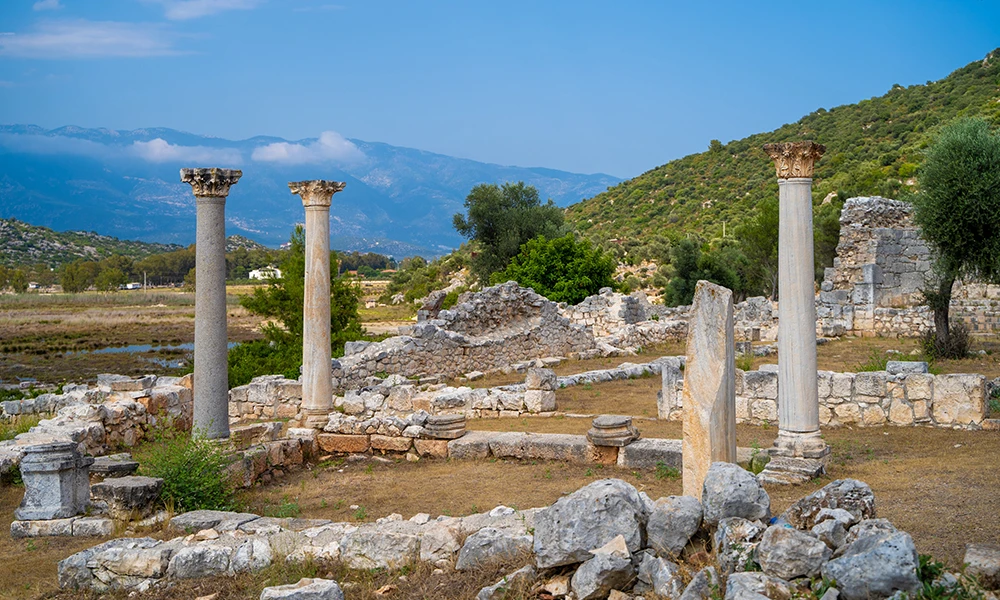
Andriake served as the port settlement for Myra and was founded in the 5th century BC. It was a vital harbour for the Lycian League and later remained important during the Byzantine period. Many valuable historical artefacts have been recovered from excavations at the site
Significant structures include the monumental Hadrian’s Gate, built in 130 AD to commemorate Emperor Hadrian’s visit. Visitors can also walk through the ancient agora to see shops, baths, and stoas, or visit the “Granarium,” one of the best-preserved grain storage buildings from the Roman era.
5. Museum of Lycian Civilisations
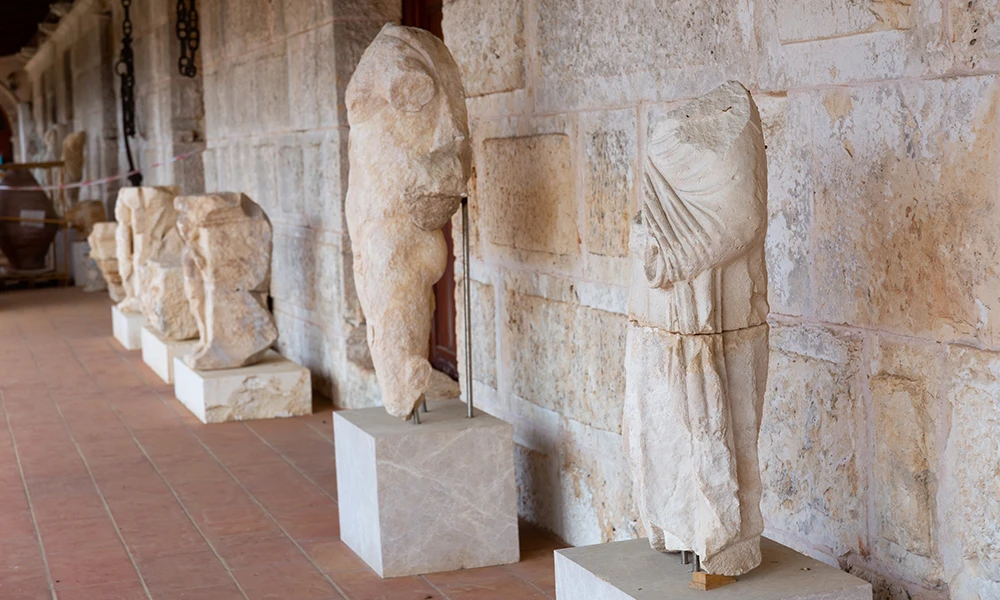
Opened in 2016, Museum of Lycian Civilisations is considered one of Turkey’s most important archaeological museums. The museum displays a wide range of artefacts including statues, reliefs, mosaics, pottery, and coins from the Lycian period. It also features an ethnographic collection reflecting the daily life and culture of the Lycian people.
A primary highlight of the museum is the sarcophagus belonging to Saint Nicholas, which was brought from Myra Ancient City. The museum is located about 5 kilometres from Demre city centre and is accessible by bus or taxi.
6. Taşdibi Beach
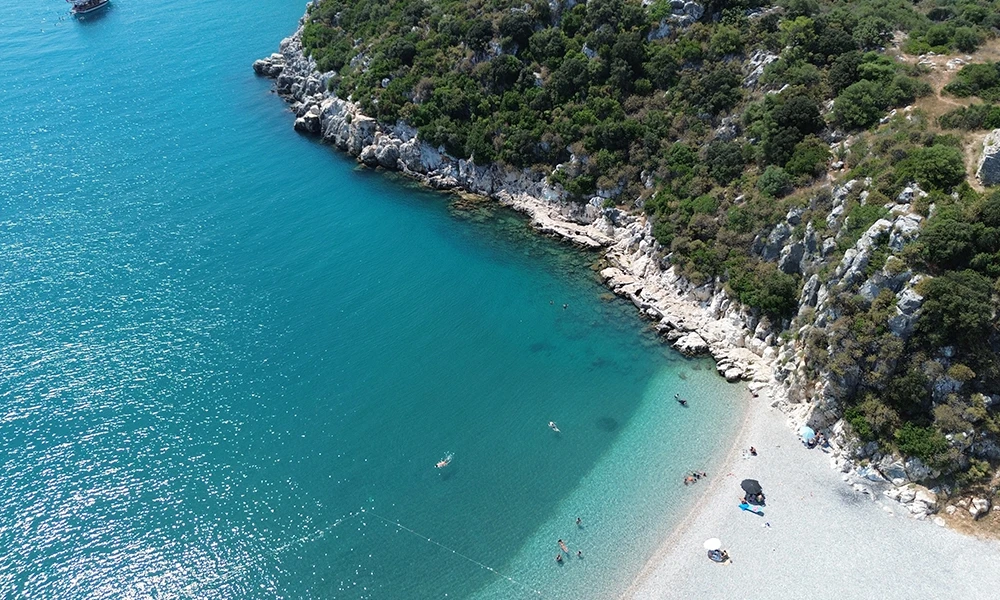
Taşdibi Beach is a popular swimming destination known for its clear water and sandy-pebble coastline. The beach stretches for 3 kilometres and features shallow waters, making it a safe choice for children and beginner swimmers. It offers a peaceful environment for visitors looking to relax away from crowds.
The facility provides amenities such as showers, toilets, changing rooms, and rentals for sunbeds and umbrellas. Active visitors can participate in canoeing, snorkelling, or hiking along the nearby sections of the Lycian Way. Various dining options serving fresh seafood and Mediterranean cuisine are available around the beach.
7. Kaleköy (Simena)
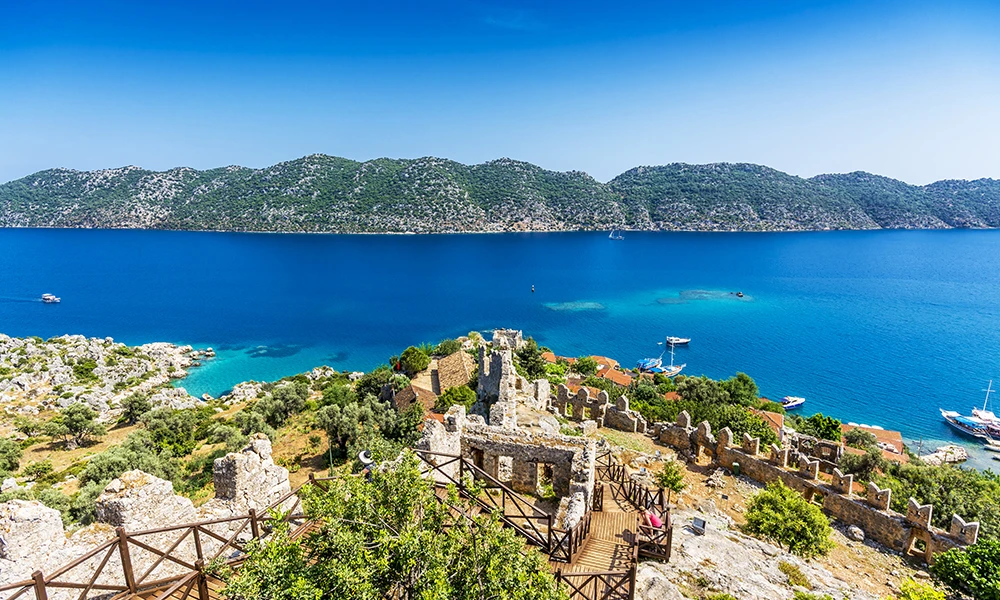
Kaleköy is a historical Lycian city and a former Greek village situated on steep cliffs directly across from Kekova Island. Founded in the 4th century BC as a trade centre, it features stone houses hidden among green landscapes. The village is famous for its unique atmosphere and panoramic views from Simena Castle.
Visitors can explore historical structures like the Suna Suner Mansion or participate in scuba diving tours to see the nearby sunken city. The village waterfront is lined with restaurants and cafes, offering ideal spots for sunset views over the Mediterranean.
8. Demre Bird Sanctuary
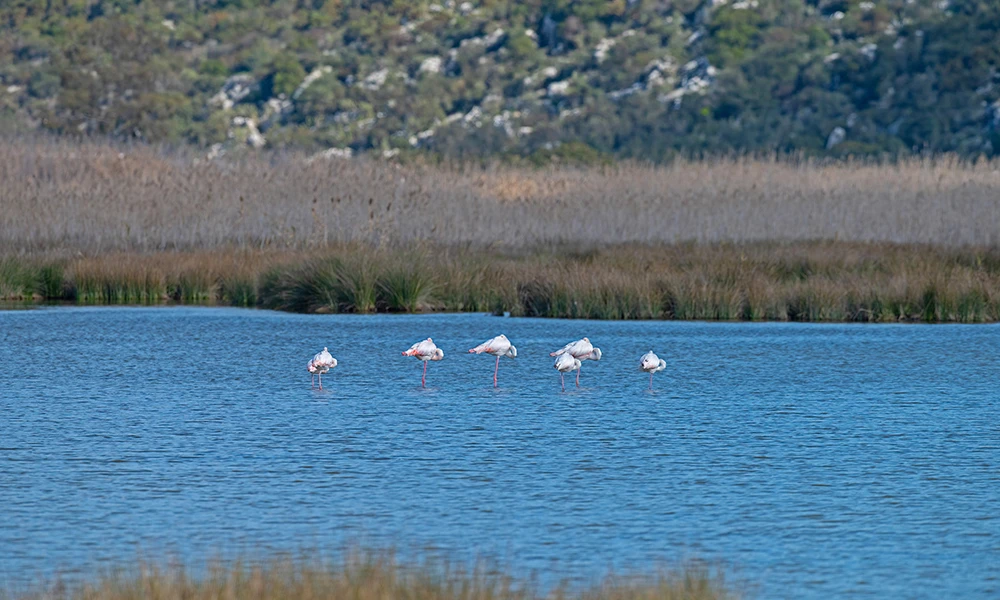
Demre Bird Sanctuary is a primary destination for photography and nature enthusiasts, hosting over 300 bird species. It serves as a vital stop for migratory birds and offers birdwatching tours throughout the year. The sanctuary covers 200 hectares and consists of several small lakes and wetlands.
The area is rich in aquatic plant life and provides a habitat for flamingos, pelicans, herons, ducks, and geese. It is a popular location for hiking and capturing nature photography.
9. Çayağzı
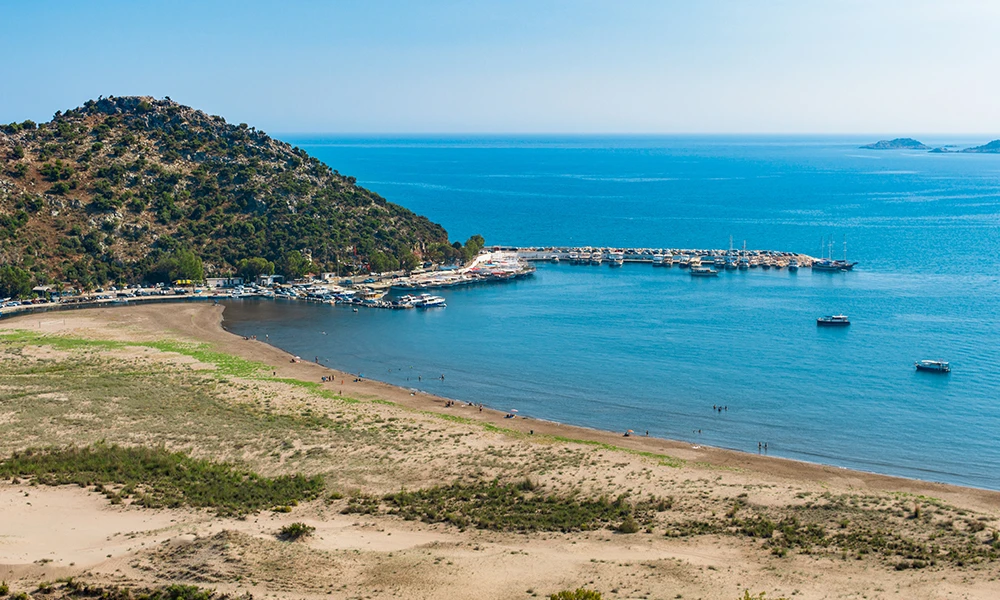
Çayağzı is known for its quiet nature and historical remains, serving as the ancient port of Andriake. The beach features fine sand and is one of the few nesting areas for sea turtles. After being abandoned in the Byzantine period, the area was settled by Greeks, whose traditional stone houses still stand today.
Visitors can easily walk to the ancient ruins of Andriake and Myra or take photos of ancient structures built into the mountainside. Çayağzı is also a departure point for daily boat tours to Kekova Island and diving trips to the sunken city.
10. Tersane Bay
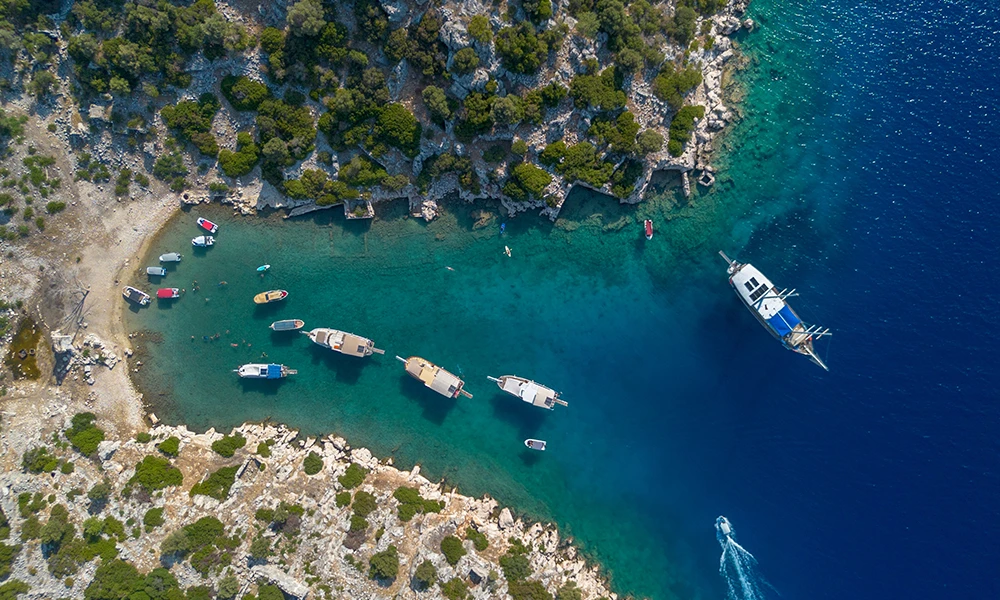
Tersane Bay is a popular stop for boats and yachts, reachable by daily tours departing from Demre. The bay is surrounded by dense pine forests and maintains a calm, quiet atmosphere throughout the year. Its sandy beach and turquoise waters make it a suitable location for swimming and camping.
The bay is ideal for nature walks, photography, and diving. Underwater ruins are visible to those participating in snorkelling or scuba diving in the bay’s clear waters.
11. Andrea Doria Bay
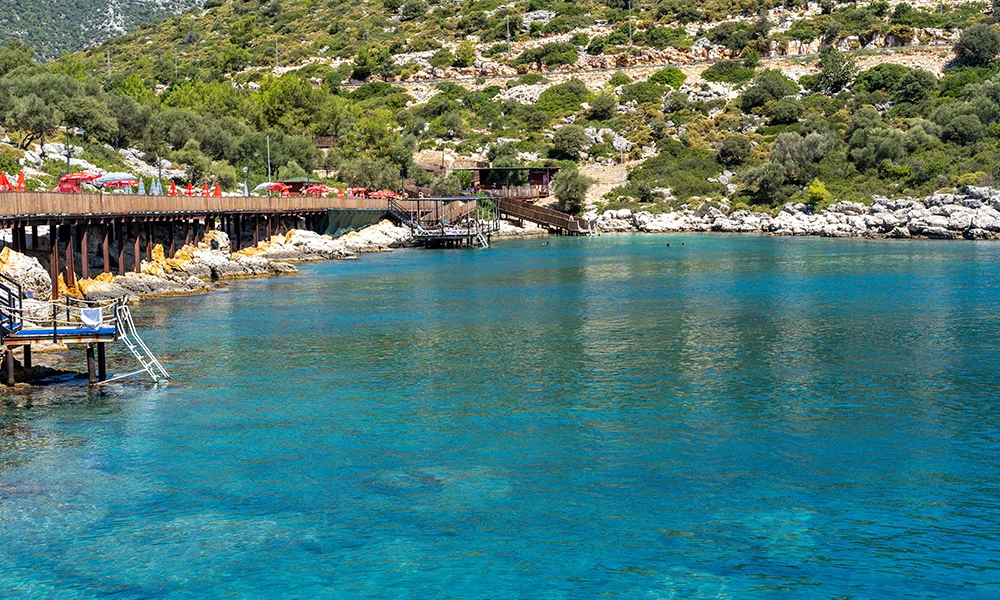
Located about 25 kilometres from Demre centre, Andrea Doria Bay is a small cove surrounded by steep rocks and pine forests. It is named after the ship Andrea Doria, which sank in the region in 1956. The bay is a favourite spot for boat tours and hiking, often visited for its nearby historical ruins.
The cove is a top choice for diving, featuring impressive underwater caves. Protected from strong waves and winds, its calm waters offer a safe swimming environment for families with children.
12. Aperlai Ancient City
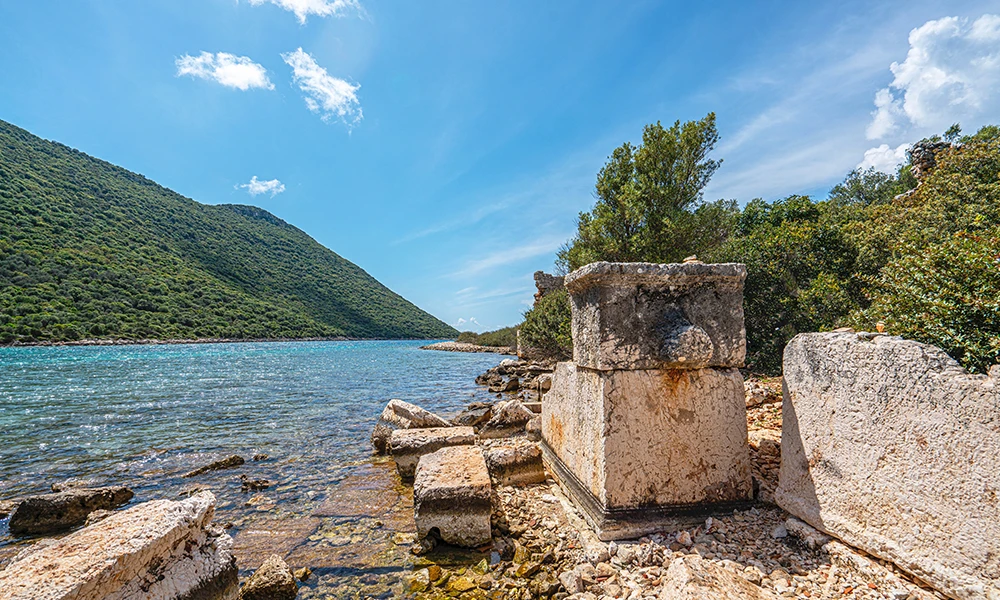
Aperlai is a historical Lycian settlement located 27 kilometres from Demre, often visited by hikers from both Demre and Kaş. In antiquity, it was a busy port and trade centre. Today, its underwater ruins make it a popular site for scuba diving.
The city is accessible via boat tours, diving trips, or hiking trails. Visitors can see the remaining city walls and enjoy views of the Mediterranean, especially during sunset.
13. Üçağız Village
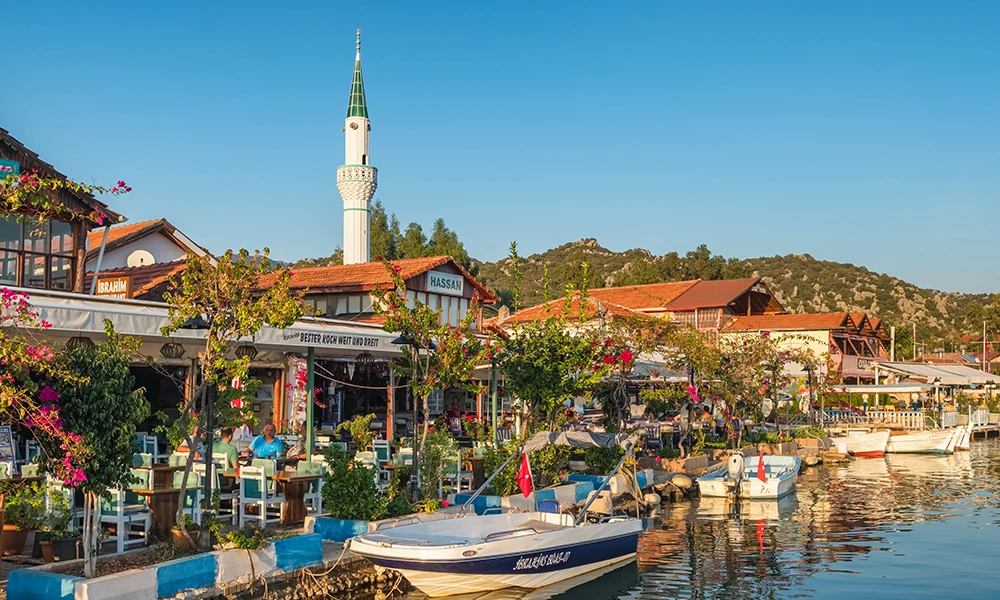
Üçağız is a historical village that was once the Lycian port of Teimiussa and the harbour for Myra. It contains well-preserved historical treasures including necropolises, agoras, and bath remains. The village is a regular stop for boat tours visiting Kekova Island and the sunken city.
The village features stone houses and offers accommodation options such as boutique hotels and guesthouses. Visitors can hike to see ancient structures on the hills or dine at seaside fish restaurants that serve local seafood and appetisers.