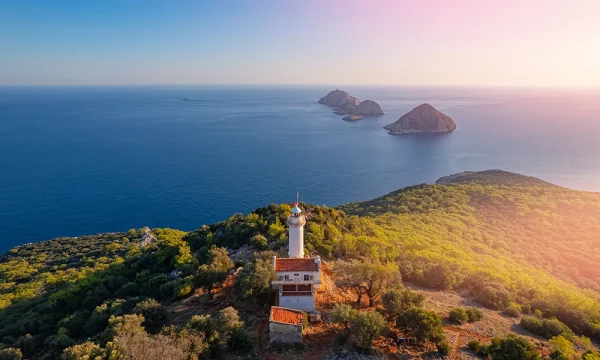
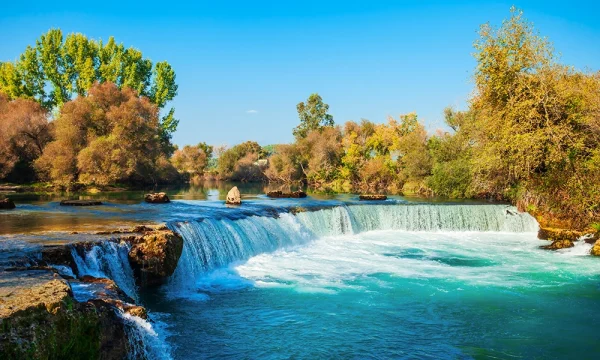
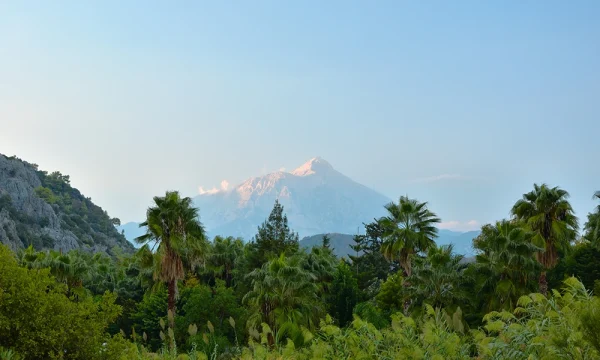
Side is a premier Mediterranean destination where sea, sand, and sun meet centuries of heritage. Known for its high-quality resorts and beaches, it is also a vital stop for history enthusiasts. The area was a significant city in the ancient Pamphylia region and has hosted numerous civilisations since the Roman period.
Whether you are enjoying the clear waters of the coast or exploring the extensive ruins of the ancient city, Side offers a balanced experience for every traveller.
1. Side Archaeological Site
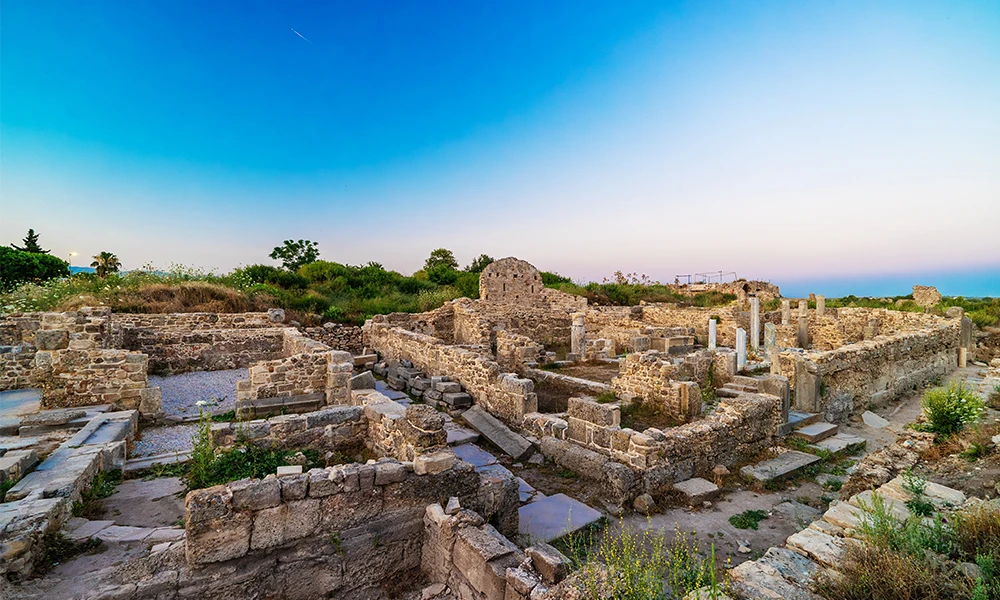
Situated on a peninsula, Side Archaeological Site is one of Turkey’s most valuable historical areas. It includes major structures such as an ancient theatre, agoras, and temples. The site reflects a rich timeline, having been ruled by Lydians, Alexander the Great’s Macedonians, the Ptolemaic dynasty, and the Roman and Byzantine Empires.
The site is distinguished by its unique ancient theatre, which stands as a rare architectural example in Anatolia. Visitors can also view the intricate Dionysos Frieze and discover traces from both the Hellenistic and Roman periods
2. Temples of Apollo and Athena
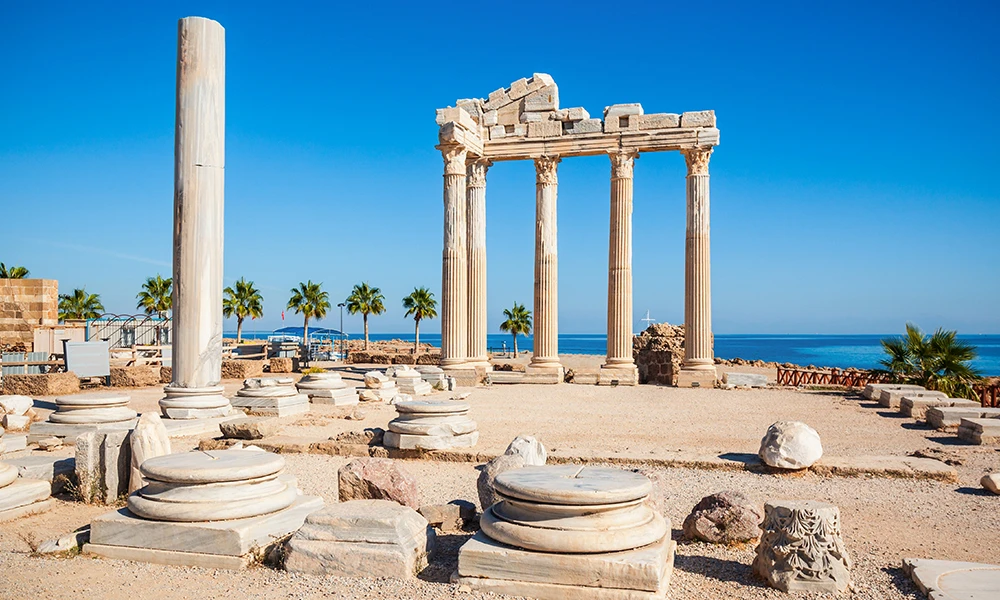
These temples were built during the 2nd century AD, a period known as Pax Romana (Roman Peace). Temple of Apollo is dedicated to the god of music, archery, and the sun, while Temple of Athena is named after the goddess of art, war, and wisdom.
Restoration work has preserved the most iconic sections of the site, including the famous five-column facade of Temple of Apollo. It serves as a significant reflection of ancient architecture in Side and is a primary location for photography.
3. Side Museum
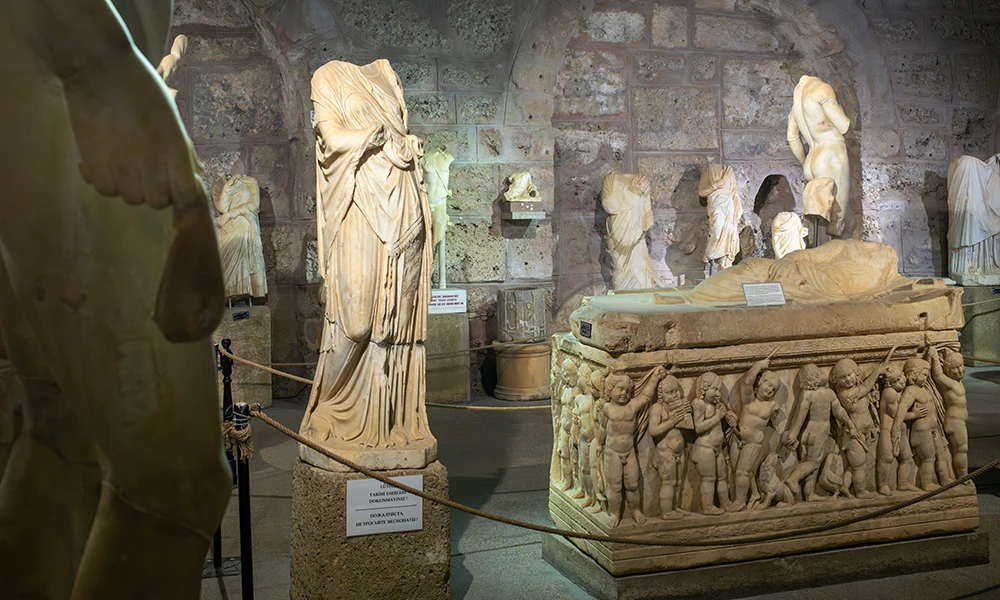
Housed in the restored Roman-period Agora Bath, Side Museum opened its doors in 1962. The museum showcases artefacts from the Late Hittite, Roman Empire, and Seljuk periods. Both the interior and exterior decorations of the building carry deep historical significance.
The garden area displays a wide collection of historical remains, including glass artefacts, coins, figurines, jewellery, and sarcophagi. A visit here provides a cultural look at daily life throughout the different eras of Side’s local history.
4. Side Ancient Theatre
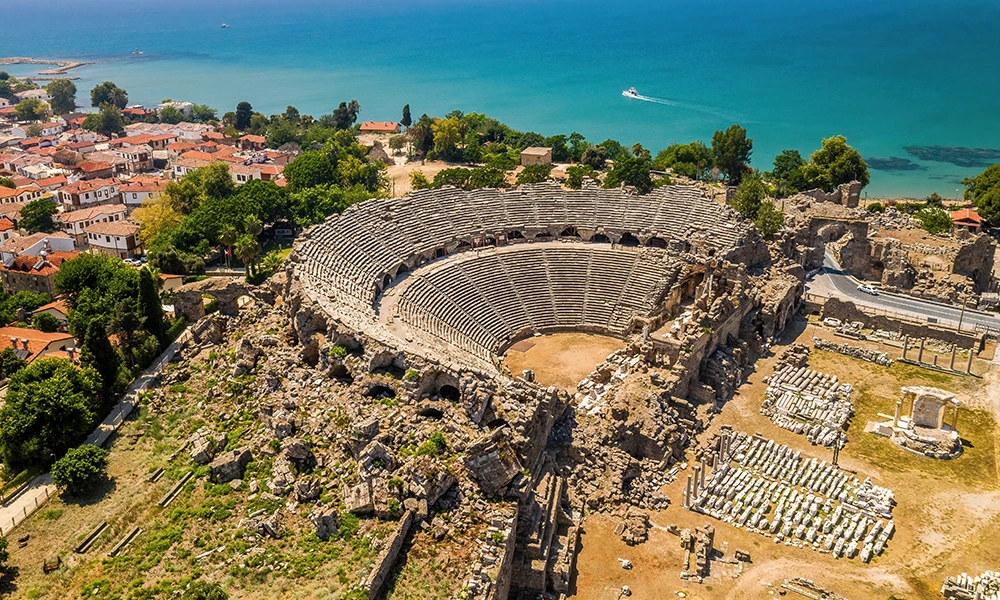
Located in the centre of the ancient city, this theatre is a vital cultural and historical landmark. While its plan follows the Hellenistic tradition, the construction techniques reflect Roman architectural standards. The seating rows are built against a natural slope, which adds to its unique structure.
The theatre was historically used for stage performances, public meetings, and competitions. On the first floor of the stage building, visitors can examine a frieze relating to the Roman god Dionysos.
5. State Agora
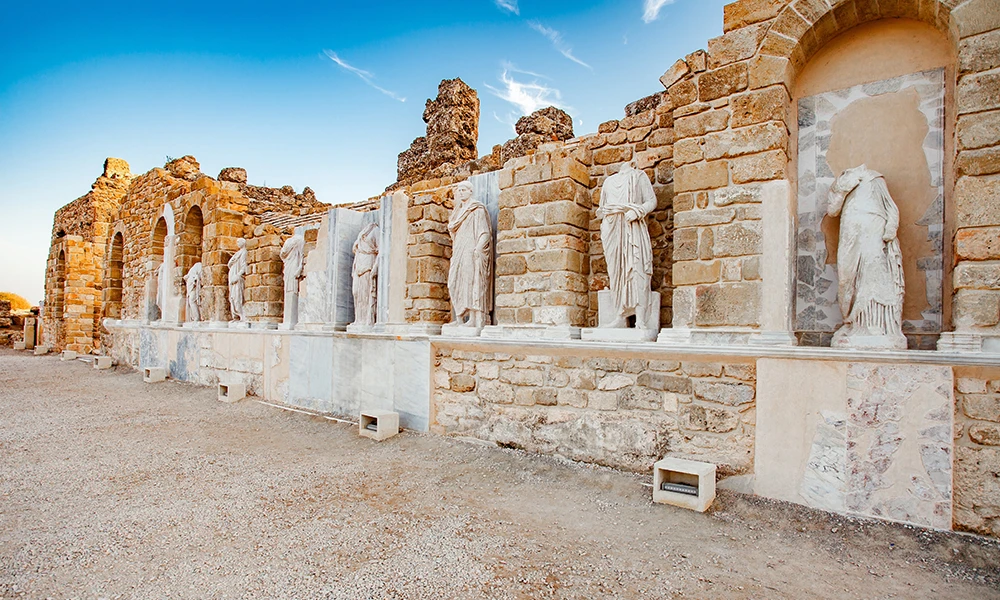
State Agora served as the heart of the ancient city, functioning much like a modern commercial district. It was the central hub for shops, trade, and various artisan workshops in antiquity. Today, it stands as a well-preserved example of an ancient marketplace.
In the centre of the Agora, you can see the ruins of a temple dedicated to the goddess Tyche
6. Monumental Fountain (Nymphaeum)
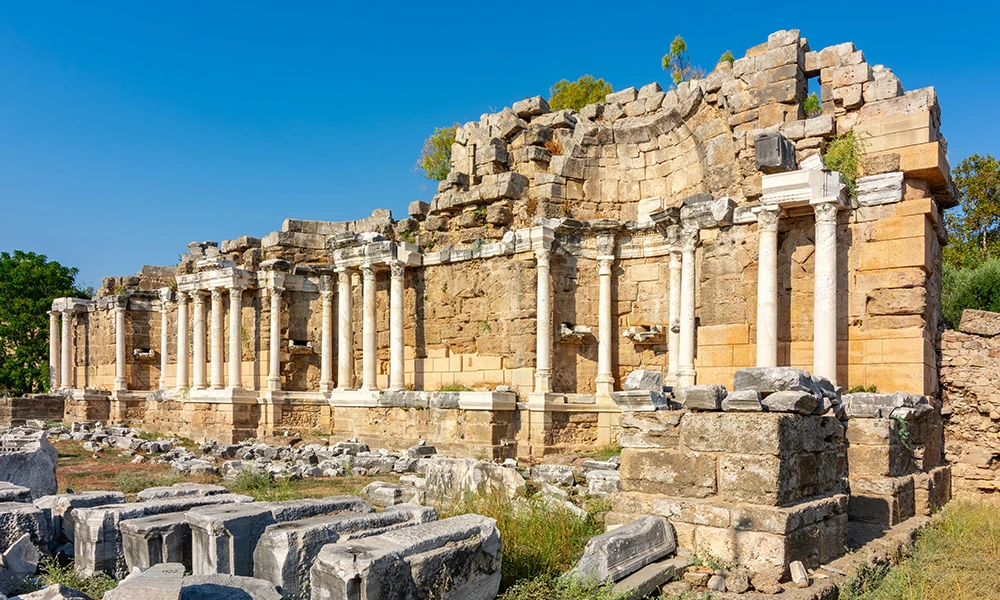
Located at the entrance of the ancient city, this grand fountain dates back to the Roman period in the 2nd century AD. The structure originally featured three levels with arched domes and twenty-one columns, all situated in front of a large pool
The fountain is decorated with Roman symbols, carvings, and statues that demonstrate the grandeur of the era. While time has passed, the fountain remains an impressive site that once supplied water to the city.
7. Temple of Tyche
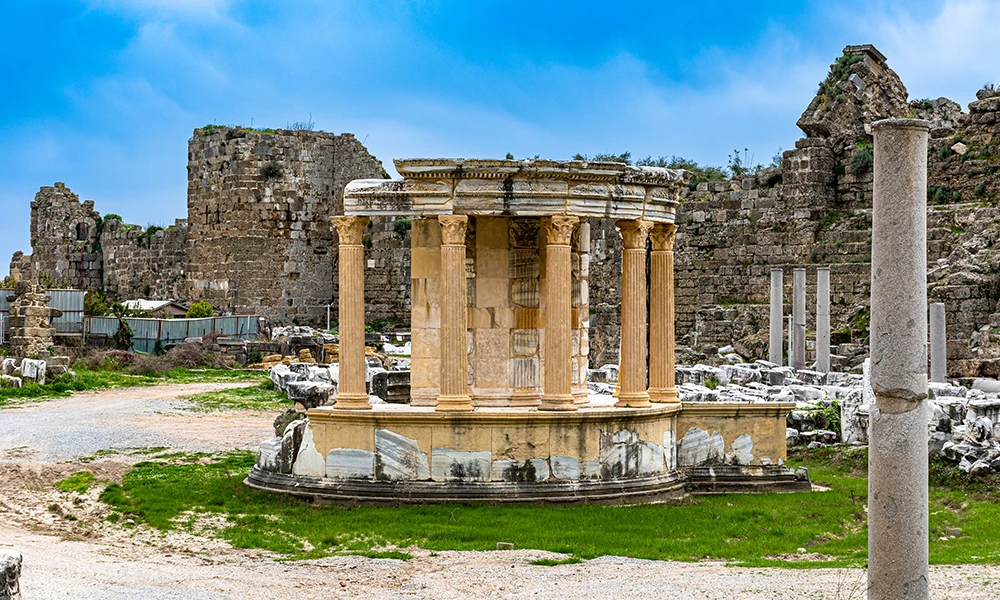
This Hellenistic structure is dedicated to Tyche, the goddess of fortune in the Roman period. The temple measures 18 metres in length and 12 metres in width and has undergone various repairs throughout history.
As one of the largest and most aesthetically detailed temples in the ancient city, it is known for its eye-catching decorations. Its architectural features make it a significant site for those interested in classical aesthetics.
8. Side Beach
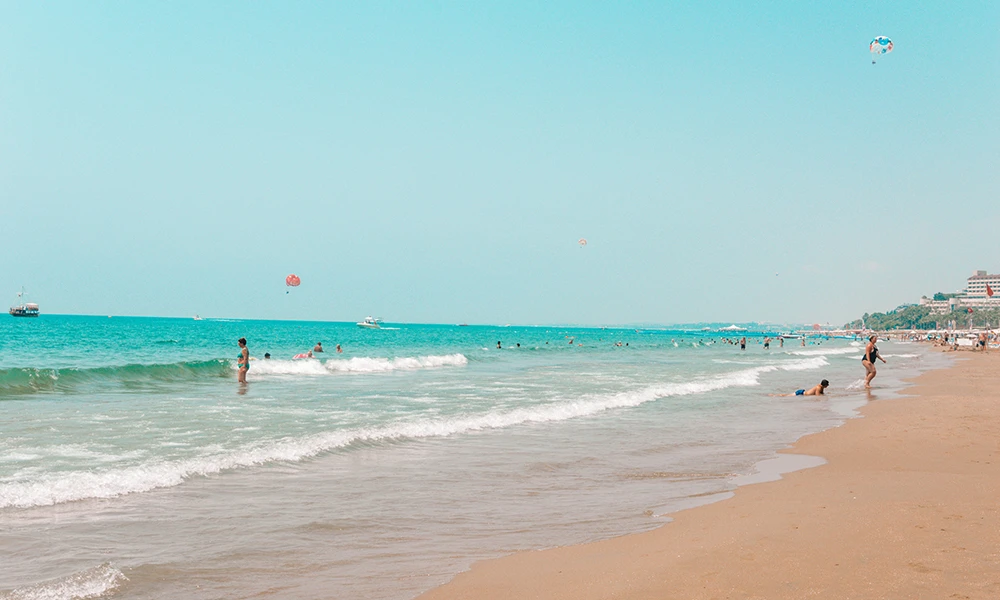
Located about 14 kilometres from the centre, this is one of the most preferred beaches in the region. The beach is known for its fine sand and wide, spacious area. The clear waters are shallow and do not deepen quickly, making it suitable for long swims.
The facility includes social amenities such as changing rooms, showers, restaurants, and cafes.
9. Vespasian Monument
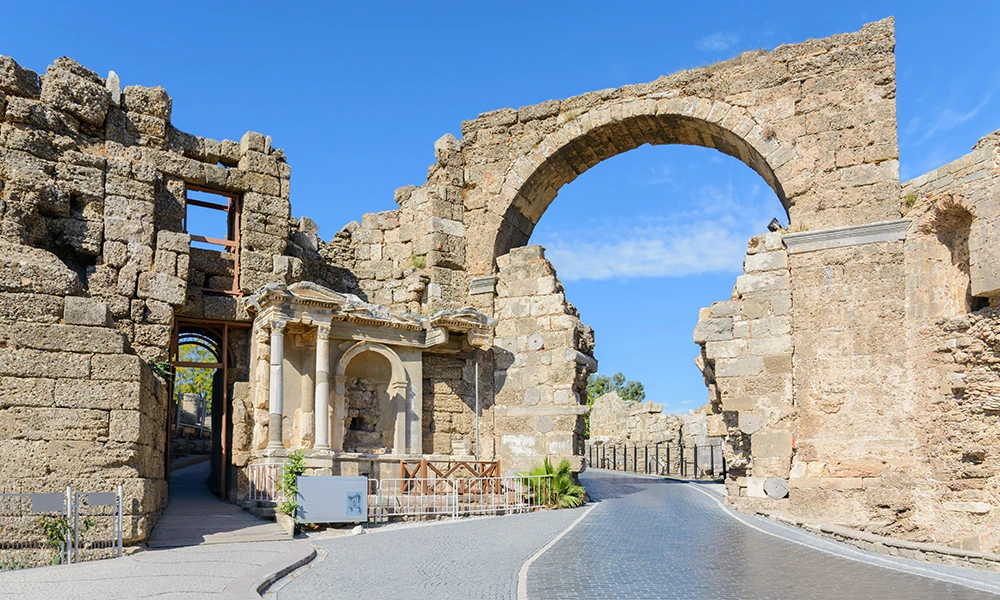
Vespasian Monument was built during the reign of Roman Emperor Vespasian to honour his memory. The area surrounding the monument is rich with other historical artefacts that add to the site’s value.
Through various archaeological and architectural projects, the structure has been restored to reflect its original ancient form. It provides a direct look at the imperial history of the region.
10. Side Harbour
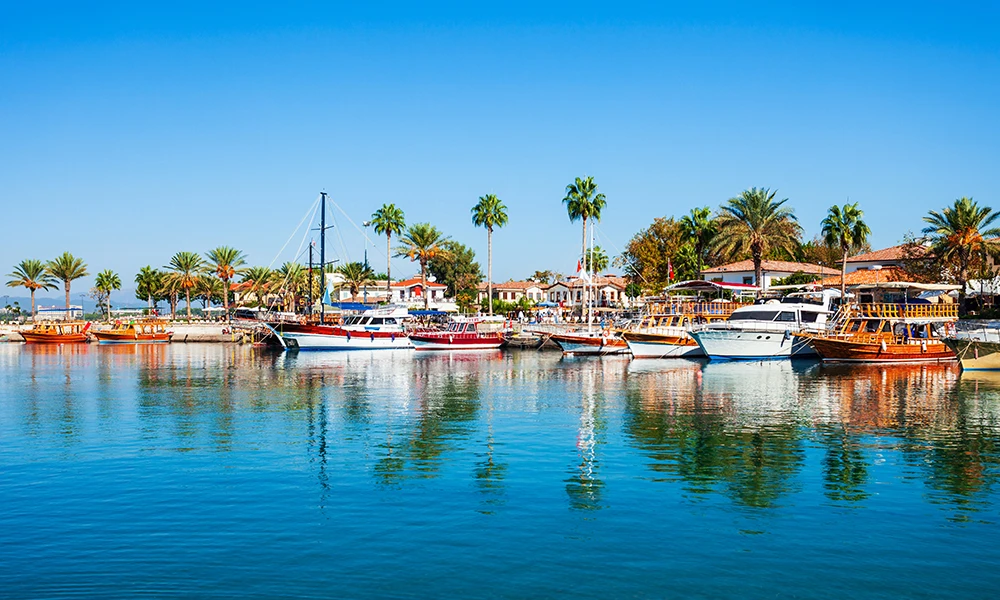
In antiquity, Side Harbour was a vital trade and fishing hub that connected the city to other major settlements. Today, it has transitioned from a commercial port into a popular marina and social area.
The harbour area is now home to various facilities, including diving centres. It remains a central location for those looking to experience the modern coastal lifestyle of Side.